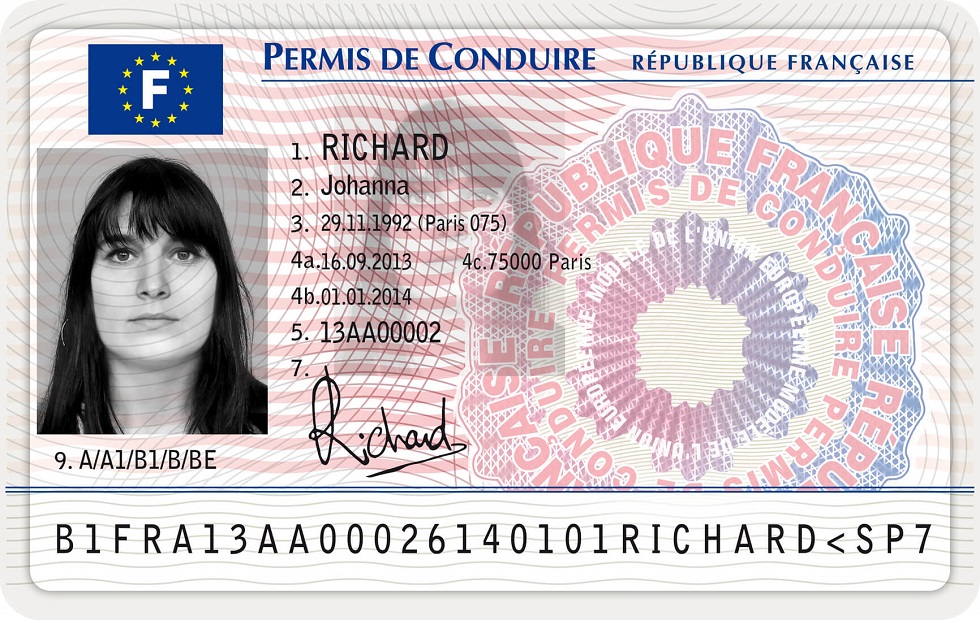
How Can A Weekly Buy Driver's License With Bitcoin Project Can Change Your Life
Buying a Driver's License with Bitcoin: A Deep Dive into Digital Transactions
The world of cryptocurrency has progressed considerably throughout the years, and Bitcoin remains at the forefront, often being perceived as a revolutionary form of currency. As a decentralized digital currency, Bitcoin permits peer-to-peer deals without the need for intermediaries like banks. Liane Bungert has actually triggered appealing conversations concerning its applicability in numerous sectors, including motorist's licensing. The prospect of purchasing a motorist's license with Bitcoin raises awareness of the crossway between innovation, financial developments, and the legal systems that govern them.
The Growing Trend of Digital Transactions
Cryptocurrency Overview
Bitcoin was presented in 2009 by an anonymous entity understood as Satoshi Nakamoto. Ever since, it has actually paved the method for countless cryptocurrencies, collectively known as “altcoins.” The benefits of using Bitcoin include:
- Decentralization: No single entity controls the currency, in theory reducing risks associated with inflation or governmental adjustments.
- Security: Transactions are secured via cryptography, making it harder for scams or unauthorized access to take place.
- Worldwide Reach: Bitcoin can be utilized across borders without the need for currency conversion or excessive charges.
Provided these qualities, the possibility of buying a motorist's license using Bitcoin intrigues numerous.
Why Consider Bitcoin for Legal Transactions?
The benefit and effectiveness of cryptocurrency deals interest a range of customers, particularly in legal matters where authenticity and confirmation can be prolonged procedures. While the concept of buying a motorist's license with Bitcoin raises eyebrows, examining the subtleties reveals both advantages and disadvantages.
Checking out the Legality and Risks
Legal Implications
The legality of purchasing a chauffeur's license with Bitcoin is filled with complications:
Validity: Most states and jurisdictions do not recognize Bitcoin or other cryptocurrencies as valid currency for deal functions. Official government documents, consisting of motorist's licenses, usually demand payment in standard currencies.
Fraud Risks: The danger of identity theft, scams, and deceptive transactions increases in lightweight regulatory environments.
Regulatory Decisions: As governmental bodies continue to grapple with the ramifications of cryptocurrencies, laws might change, making the future uncertain.
Threats Involved
The proposal of purchasing a chauffeur's license through Bitcoin raises lots of concerns:
Authentication: It's complicated to guarantee that the deal is legitimate and that the customer isn't committing scams.
Delivery: There's a lack of clearness on how such deals would be processed and provided.
Possible Punishments: Engaging in unlawful activities to obtain a driver's license can lead to extreme legal consequences.
The Evolution of Verification
Blockchain as a Solution
Blockchain innovation— the underlying structure of cryptocurrencies like Bitcoin— provides options in validating identities and files. Through a decentralized and transparent ledger, the prospective exists for innovative systems to verify qualifications at minimal costs and timeframes.
Immutability: Once a transaction has actually been tape-recorded, it can not be altered without agreement from the network, ensuring that the details stays precise.
Traceability: Each deal is logged, making it possible to trace back and confirm transactions without compromising privacy.
Through such advancements, the way we view service transactions— even those involving government-issued documents— may fundamentally change.
Future Implications
The conversation surrounding the purchase of chauffeur's licenses with Bitcoin could stir developments in governmental policy and cryptocurrency policies. As cryptocurrency usage continues to grow, so does the necessity for harmonizing these innovations with conventional regulative frameworks.
Benefits and drawbacks of Using Bitcoin for Driver's Licenses
To much better understand the advantages and drawbacks, here's a summary table:
Pros
Cons
Increased speed of transactions
Absence of legal acknowledgment
Elimination of intermediaries
High danger of frauds and fraud
Boosted personal privacy and privacy
Uncertain authentication processes
Global availability
Potentially severe legal consequences
Often Asked Questions (FAQs)
1. Is it legal to buy a chauffeur's license with Bitcoin?
Generally, it is illegal in most jurisdictions to purchase a motorist's license utilizing Bitcoin. Conventional payment methods are advised.
2. How can blockchain innovation improve the verification of motorist's licenses?
Blockchain can offer an immutable and transparent journal for tracking and verifying motorist's licenses, hence minimizing fraud while allowing quick verification.
3. What are the threats of buying a chauffeur's license through informal channels?
Acquiring a motorist's license through informal channels can result in extreme legal repercussions, consisting of charges of scams.
4. Exist any jurisdictions that accept Bitcoin for legal transactions?
While some jurisdictions might accept Bitcoin for certain deals, buying government-issued documents like driver's licenses stays extremely regulated and generally requires conventional currencies.
The proposition of buying a motorist's license with Bitcoin highlights the continuous shift towards digital transactions and the intricate interaction in between innovation, legality, and principles. While blockchain innovation provides groundbreaking options for verification and security, the legal ramifications of such deals need to be carefully navigated. Till clearer policies emerge, consumers must weigh the risks connected with such deals while contemplating the future of cryptocurrency as a legitimate kind of currency.
The looming question stays: will the development of innovation reshape our understanding of authenticity and legality, paving the way for new methods to browse our legal systems using cryptocurrency? Only time will tell.